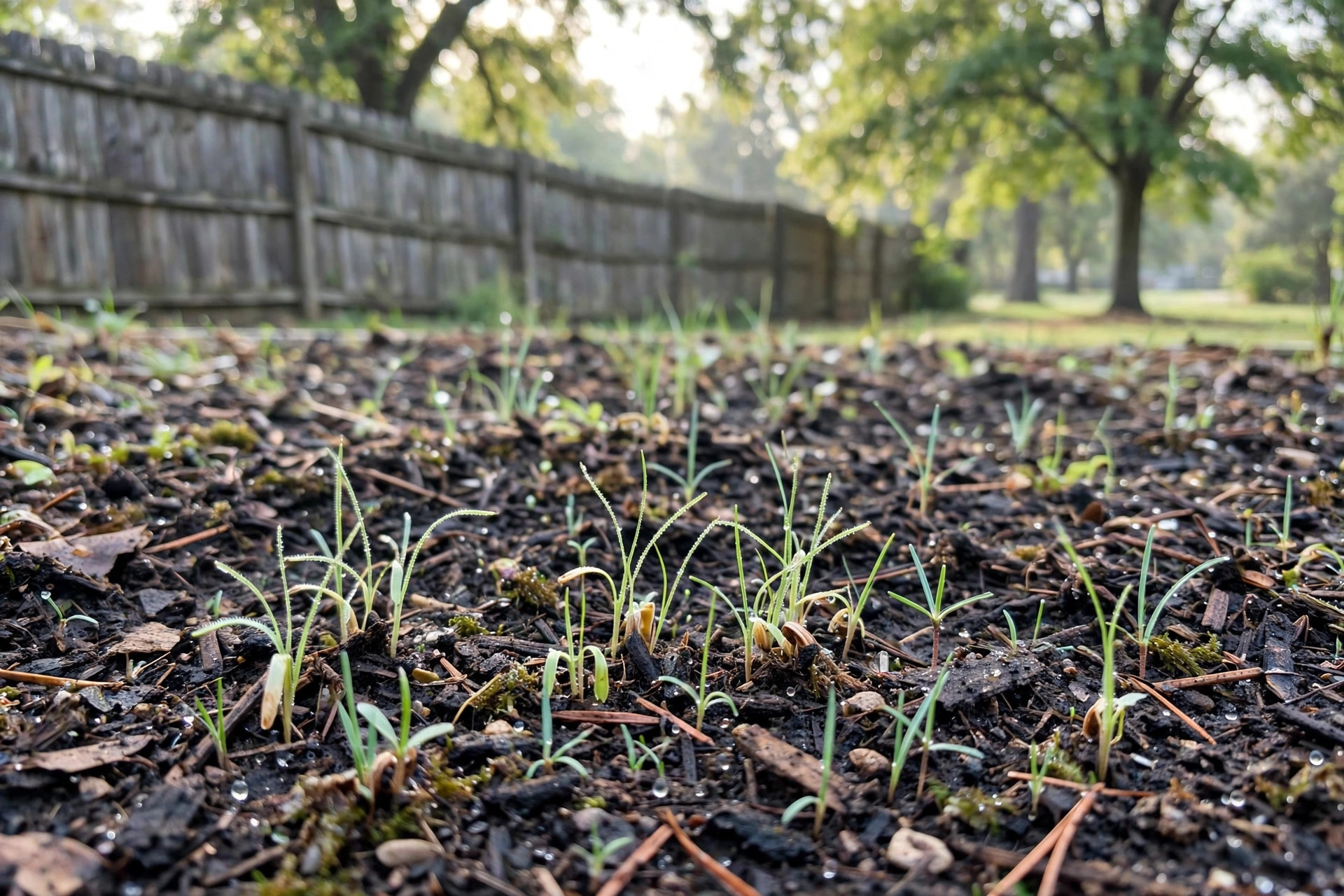
More American homeowners are looking past the old bluegrass lawn. They want grass that belongs where they live. Grass that asks for less water, less food, and less work. This native grass seed buying guide USA page will walk you through the whole job. You will learn what native grass seed is, why it matters, how to choose the right kind, what it costs, and how to plant and care for it. The words are plain. The advice is honest.
Why Native Grass Matters
A native grass is a grass that grew in your region long before towns and farms came. The prairies of Kansas, the meadows of Pennsylvania, and the dry hills of Texas each had their own grasses. These plants know the local soil. They know the local rain. They know the local bugs and birds.
When you plant native grass seed, you work with nature instead of against it. The grass roots grow deep. Deep roots pull water from far below the surface. That means you water less. Native grasses also need less fertilizer. Most lawn grasses were bred in Europe for rich farm soil. Native grasses were shaped by the land itself.
Native grass helps the world around your home. The seed heads feed sparrows and goldfinches in the fall. Bees visit the native wildflowers that often grow beside native grass. A lawn of plain fescue feeds almost nothing. A patch of native grass feeds a whole small world.
There is money in this too. A native grass planting cuts your water bill. It cuts the money you spend on fertilizer and weed killer. It cuts the time you spend mowing. Once the grass is set, some homeowners mow only once or twice a year. That is a large change from a weekly lawn.
How to Choose Native Grass Seed: Native Grass Seed Buying Guide Usa
Choosing native grass seed is the most important step. A mistake here costs you a full season. Read this section with care.
First, find your region. The United States is large. A grass that thrives in the dry plains of Colorado may die in the wet air of Florida. Seed bags and seed stores often list regions: Midwest, Northeast, Southeast, Southwest, Pacific Northwest, and so on. Buy seed sold for your region. If you are unsure, ask your state extension office.
Second, read the seed label. A good label tells you the grass species by its Latin name. It also tells you the germination rate, which is the share of seeds that will sprout. A rate of eighty percent or more is good. The label also lists weed seed, which should be near zero. Pure seed, free of weeds, saves you much trouble later.
Third, match the grass to your use. Some native grasses stand tall. Big bluestem can reach six feet. These tall grasses suit meadows and back corners. They do not suit a play lawn. Short native grasses like buffalo grass and blue grama suit lawns. They stay low and stand up to foot traffic. They need far less mowing than bluegrass.
Fourth, check the soil and sun. Some native grasses love full sun and dry sand. Others need rich soil and some shade. Watch where the sun falls on your yard at noon and at five in the afternoon. Dig a small hole and look at the soil. Match the seed to what you see.
Fifth, buy pure seed, not a cheap blend full of filler. The price per pound means little. The price per pound of pure live seed means everything.
The same label-reading habits help with other seed purchases. A succulent variety packs buying guide usa shows how to judge seed quality before you buy.
Types of Native Grasses
Buffalo grass is the most lawn-like native grass. It grows in the Great Plains. It stays short, about four to six inches if never mowed. It stands up to heat and drought. It needs little water once the roots are set. It does not do well in shade or in wet, heavy clay. For a low lawn in the central states, buffalo grass is the first choice.
Blue grama is another short grass of the plains. It makes pretty seed heads that look like small combs. It mixes well with buffalo grass, and many sellers sell the two together. Blue grama stands up to poor soil and dry spells. It gives a lawn a soft, open look.
Little bluestem is a mid-size grass. It turns a fine rust red in the fall. It suits meadows and borders. It needs full sun. Once set, it asks for almost nothing. Homeowners who want a natural look love it.
Big bluestem and Indian grass are the tall grasses of the tallgrass prairie. They make a fine backdrop behind a fence. They are not lawn grasses. Cut them back once a year in late winter.
Switchgrass is tough. It stands up to wet ground and salt near roads. It grows in most of the eastern half of the country. Side-oats grama rounds out many mixes with nice color and seed heads that hang from one side of the stem.
Seed sellers describe these species in plain terms. Monrovia keeps a large plant library that helps you match a grass to your region and garden style (Monrovia). Burpee has sold seed to American gardeners for generations and explains germination and planting depth in clear language (Burpee).
If your yard project runs wider than grass alone, an heirloom vegetable seeds american homes guide can help you plan the vegetable beds that often sit beside a new native border.
Cost and Price
Native grass seed costs more per pound than common lawn seed. A pound of Kentucky bluegrass seed may cost a few dollars. A pound of pure buffalo grass seed may cost twenty dollars or more. Do not let this frighten you.
The seeding rate for native grass is often lower. You may sow four to eight pounds of buffalo grass per thousand square feet. Common lawn seed may need eight to ten pounds for the same space. The cost per square foot comes out closer than the price per pound suggests.
Mixes can cut the price. A buffalo grass and blue grama mix may cost less than pure buffalo grass. Some mixes add low native wildflowers. Wildflowers add color and feed bees.
Buy from a source that tells you the pure live seed rate. You pay for the seed that grows. Everything else is dust. For large areas, buy in bulk. Seed growers often sell five-pound and twenty-five-pound bags, and the price per pound falls as the bag grows. Store extra seed in a cool, dry place. A sealed bag in a basement keeps for several years. Do not store seed in a hot shed.
Park Seed and Gurney’s both sell grass and flower seed to American gardeners and list clear prices and seeding rates for each product (Park Seed; Gurney’s). White Flower Farm, known for careful plant descriptions, also carries seed for naturalistic yards (White Flower Farm).
How to Plant Native Grass Seed
Planting native grass seed is not hard. It is different from planting common lawn seed. The seed wants bare soil and firm contact. It does not want a rich bed of topsoil.
Pick the right time. In the North, plant in late spring when the soil is warm. Native warm-season grasses need soil near sixty degrees to sprout. In the South, you can plant in spring or in late summer.
Kill the old plants first. This is the step most people skip, and skipping it ruins the job. Mow the old grass very short. Cover the area with black plastic or cardboard for several weeks. Any old grass left alive will crowd out the slow young natives.
Work the soil lightly. Rake the bare ground so the surface is rough. Do not till deep. Walk over the area after raking, or roll it with a light roller, so the soil is firm under your feet.
Spread the seed. Use a hand spreader for small areas and a broadcast spreader for large ones. Split the seed into two halves. Walk the area in one direction with the first half. Walk at right angles with the second half.
Press the seed into the soil. Rake it in very lightly, no deeper than a quarter inch, or roll the area again. Seed pressed into firm soil stays moist and sprouts. Seed lying on loose soil dries out and dies.
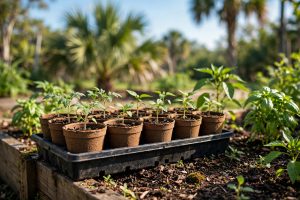
Water gently. Keep the top inch of soil moist until the seed sprouts. That may take two to four weeks for warm-season grasses. Water in the morning with a fine spray.
Do not use weed killer at planting time. Most weed killers kill young grass too. Pull weeds by hand in the first year. After the first year, the native grass thickens and crowds most weeds out on its own.
The Old Farmer’s Almanac keeps simple planting calendars by region that help you pick the right week to sow (The Old Farmer’s Almanac). Gardening Know How publishes step-by-step sowing guides for many native species (Gardening Know How).
Care and Upkeep
The first year is the hard year. Native grass grows slowly above ground while it builds deep roots below. Your planting may look thin and weedy in year one. This is normal. Do not give up.
Mow high in the first year. Keep the mower at four to six inches. High mowing cuts the weeds and lets the young grass grow. Never mow a native meadow short. Scalping stresses the plants and opens the soil to weeds.
Water less each year. In year one, water in dry spells. In year two, water only in true drought. By year three, most native grasses need no water except rain. This is the great reward of native grass.
Feed almost nothing. Native grass does not want rich fertilizer. Too much nitrogen makes the grass grow weak and floppy. It also feeds the weeds.
Control weeds by hand and by timing. In the first summer, pull tall weeds before they seed. Do not let weeds drop seed into your new planting. For most homeowners, mowing and hand pulling are enough. Keep a small bag of the same seed on hand to reseed thin spots.
The Spruce keeps plain guides on mowing, watering, and feeding native lawns through the seasons (The Spruce). Proven Winners publishes care notes that fit a natural yard style (Proven Winners).
Safety
Native grass seed itself is safe. It is not poison. Still, a few safety points matter.
Read every product label. Some seed comes coated with a fungicide. If the bag says the seed is treated, wash your hands after sowing. Keep treated seed away from children and pets. Untreated seed is the safer choice for homes with small children or dogs.
Wear a dust mask when you spread seed in bulk. Seed dust can irritate the lungs. Store bags in a metal can with a tight lid. Mice love grass seed, and a sealed can keeps them out.
Check local rules before you plant tall grass. Some towns have weed laws. Meadow plantings are often allowed in back yards but not in front yards. Call your town office first.
Fire is a real risk with dry tall grass. Keep tall native grass away from the house. Cut a mowed strip of short grass between the meadow and any building. This strip is called a fuel break. It slows a fire and gives you room to work.
The United States Department of Agriculture research service shares safe planting and land-care guidance for native plants (USDA NIFA).
If your project includes indoor plants too, an air plants bulk florida homes usa guide covers safe handling of popular houseplants.
Frequently Asked Questions
Is native grass seed harder to grow than regular lawn seed? It is slower, not harder. Regular lawn seed sprouts in a week and looks full in a month. Native warm-season grass may take three to four weeks to sprout and a full year to look thick. The work is the same. The wait is longer. The reward is a lawn that needs far less care for many years.
How much water does native grass need after the first year? Far less than a common lawn. In most regions, rain is enough by the second or third year. In a true drought, one deep watering a month keeps the grass green. Deep, rare watering beats shallow, daily watering. Shallow water keeps roots near the surface. Deep water sends roots down.
Will native grass seed attract more bugs to my yard? It will attract more life, and most of it is good. Seed heads feed birds. Flowers feed bees. Thick grass shelters toads and ground beetles that eat slugs and grubs. You may see more insects, but you will see fewer of the pests that harm gardens. Most homeowners call this a fair trade.
A Short Final Word
Buying native grass seed is a vote for the land you live on. The steps are simple. Learn your region. Read the label. Match the grass to your soil and sun. Pay for pure live seed. Plant on bare, firm soil at the right time. Then be patient in year one. The grass knows what to do. It has done it for thousands of years without our help.
Start small if you are unsure. Plant one corner of the yard this year. Watch it through the seasons. See how the goldfinches find the seed heads in fall. Next year you will want more. Most people do.
References
Burpee. (n.d.). Seeds, plants, and gardening supplies. https://www.burpee.com Gardening Know How. (n.d.). Gardening guides and plant care. https://www.gardeningknowhow.com Gurney’s Seed & Nursery Co. (n.d.). Seeds, plants, and garden supplies. https://www.gurneys.com Monrovia. (n.d.). Plants for home gardens. https://www.monrovia.com National Institute of Food and Agriculture. (n.d.). Agricultural research and extension. https://www.nifa.usda.gov Park Seed. (n.d.). Seeds, plants, and gardening supplies. https://www.parkseed.com Proven Winners. (n.d.). Plants and gardening inspiration. https://www.provenwinners.com The Old Farmer’s Almanac. (n.d.). Gardening calendars and advice. https://www.almanac.com The Spruce. (n.d.). Home and garden advice. https://www.thespruce.com White Flower Farm. (n.d.). Plants, bulbs, and garden supplies. https://www.whiteflowerfarm.com
Was this guide helpful?

About Robert Taylor
The My Garden US editorial team writes practical, in-depth home and garden guides for American homeowners — tested advice, no fluff.