Salad burnet is one of those quiet herbs that seasoned gardeners love and beginners have never heard of. Its ferny leaves taste remarkably like cool cucumber, with none of the fuss that real cucumbers demand. Once you learn how to grow salad burnet, you will have a hardy perennial that asks for almost nothing and gives fresh salad flavor from early spring through late fall.
Table of Contents
Table of Contents

Photo: Wikimedia Commons
This is a temperate perennial, hardy roughly from zones 4 through 9, that shrugs off poor soil and drought once settled in. If you are planning your herb bed, check your USDA zone planting dates to time your sowing with the cool season it prefers.
Unlike annual herbs that need replanting every spring, a burnet patch quietly comes back on its own, greening up early when little else in the herb bed has woken. The foliage is attractive enough for the front of a border - soft, gray-green, and ferny - so it never looks like a purely practical plant. Gardeners who grow it for one season usually keep it for good.
Choosing a Variety
When it comes to how to grow salad burnet, getting the details right makes all the difference.
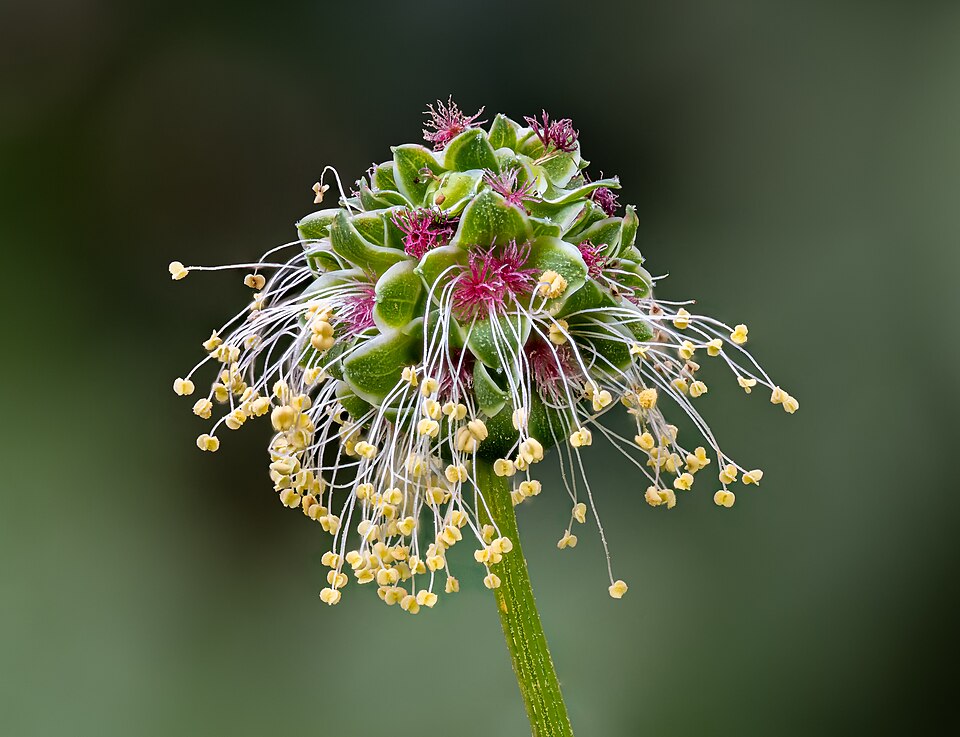

Many homeowners find that how to grow salad burnet is easier than they expected once they know the basics.
Salad burnet is Sanguisorba minor, and the seed trade offers it mostly as the straight species - which is fine, because the species is already excellent. Some catalogs list a larger-leafed selection, but ordinary salad burnet seed grows into vigorous plants with the classic cucumber taste. One packet sows a row that can last for years.
Buy fresh seed from a reputable herb supplier, since old seed loses vigor. If a neighbor grows it, ask for a division or a few self-sown seedlings - burnet shares easily, much like dividing chives in early spring. Avoid confusing it with great burnet (Sanguisorba officinalis), a taller, coarser plant grown more for ornament than flavor.
One packet is enough for most households - a dozen plants supply more cucumber-flavored leaves than a family can eat. Because the plants are perennial, you buy seed once and divide the patch for years afterward, which makes salad burnet one of the cheapest herbs to keep going. That economy is part of its quiet appeal.
When and How to Plant
Many homeowners find that how to grow salad burnet is easier than they expected once they know the basics.
The key to how to grow salad burnet is choosing the right approach for your space and budget.
Direct sow salad burnet as soon as the soil can be worked in early spring, or start seeds indoors about four weeks before your last spring frost. Sow a quarter inch deep and thin seedlings to about ten to twelve inches apart; they will fill in quickly into low, ferny mounds. The Old Farmer's Almanac suggests sowing cool-season herbs early, and burnet fits that advice well.
You can also sow again in late summer for fall harvest, since the leaves taste best in cool weather. Fall-sown plants establish roots before winter and leap into growth at the first warm days of the following spring. Space plants generously - good air flow keeps the foliage clean, the same principle behind spacing in a parsley bed.
Sowing Cheat Sheet
- Sow 1/4 inch deep in early spring, directly where plants will grow.
- Thin or transplant to 10–12 inches apart.
- Water gently until seedlings are established.
- A second sowing in late summer extends the season.
Soil and Sun
The key to how to grow salad burnet is choosing the right approach for your space and budget.
With a little planning, how to grow salad burnet can fit even a busy schedule.
Salad burnet is famously unfussy. Give it full sun to part shade and well-drained soil - even poor, chalky, or sandy ground will do. It actually prefers lean conditions; rich, overfed soil produces soft growth with weaker flavor. This tolerance of thin soils is well documented for the species in the USDA PLANTS Database.
Aim for a soil pH near neutral, though burnet tolerates a wide range. The one thing it dislikes is soggy, waterlogged ground, where crowns can rot over winter. If your soil stays wet, plant on a slight mound or in a raised bed with gravelly soil mixed in.
Sun needs are flexible: full sun gives the densest growth and strongest flavor, while afternoon shade in hot regions keeps leaves tender longer into summer. In the deep South, a spot with morning sun and afternoon shade is often the difference between a plant that thrives and one that merely survives. Gardenia.net lists salad burnet among herbs suited to lean, sunny spots where fussier plants fail.
Watering and Feeding
With a little planning, how to grow salad burnet can fit even a busy schedule.
Before you start, it helps to understand how how to grow salad burnet works in real homes.
Water new plantings regularly until they are established, then largely ignore them - salad burnet thrives on neglect once its roots are down. During long dry spells a deep drink keeps the leaves tender, but this herb survives drought that would finish cilantro in a week. The Missouri Botanical Garden lists salad burnet among herbs that thrive on lean treatment.
Do not fertilize. Seriously. Extra nitrogen makes floppy, bland leaves, and burnet evolved in thin meadow soils. A light top-dressing of compost every year or two is the most feeding it will ever need, and even that is optional.
Care Through the Season
Before you start, it helps to understand how how to grow salad burnet works in real homes.
A good plan for how to grow salad burnet saves time, money, and frustration.
The main job in a burnet patch is cutting flower stalks as they appear. Blooming makes the leaves bitter, and each flower head sets seed that will scatter seedlings everywhere. Snip the stalks at the base with shears, and the plant pours its energy back into leaves. If you want some self-sown replacements, let one plant flower - just one.
Every few years, dig and divide crowded clumps in early spring or fall to keep them productive. Replant vigorous outer pieces and compost the woody centers. A divided patch often comes back stronger than the original, since young divisions grow more eagerly than an old woody crown. Pests are almost nonexistent; occasionally aphids cluster on flower buds, but since you are removing the buds anyway, the problem solves itself.
Keep one plant sheared back hard all season for a constant supply of mild young leaves, and let another grow naturally - you get both tender salad greens and a plant the bees can visit. This two-plant trick is the heart of how to grow salad burnet for a continuous harvest rather than a spring flush.
Where It Fits in the Garden
Salad burnet earns its place even in a small herb bed. The low, ferny mounds make a tidy edging along paths, where brushing past releases a faint cucumber scent. It pairs well visually with thyme and chives, and its tolerance of poor soil makes it a good choice for that thin strip along a fence or wall where little else thrives. Because it stays green early and late, it also fills the gap between the first spring greens and the first summer herbs - a small but useful role in a kitchen garden that aims to produce something fresh as many days of the year as possible.
Harvest
A good plan for how to grow salad burnet saves time, money, and frustration.
For most people, how to grow salad burnet comes down to a few smart choices.
Snip young, tender leaves as needed for salads, sandwiches, and cold drinks - the flavor is best in cool weather, when the cucumber note is crisp and clean. Older leaves turn tough and are best left on the plant or tossed in the compost. Pick in the morning after the dew dries, when the leaves are at their freshest.
Use the leaves fresh; they lose their charm when cooked or dried. Toss them into green salads, chop over new potatoes, float them in iced tea or lemonade, or mix into soft cheese spreads. A handful of burnet leaves can rescue a winter grocery-store salad in a way few herbs manage. Old herbals also prized the young leaves as a spring tonic green, chopped into butter or egg dishes.
Harvest lightly from first-year plants and more boldly once they are established. Never strip more than a third of a plant at once, and it will keep producing for months. The leaves hold up reasonably well for a few days in a damp bag in the refrigerator. Clemson HGIC's herb resources cover harvest timing for perennial herbs like this one.
Troubleshooting
For most people, how to grow salad burnet comes down to a few smart choices.
If you are new to how to grow salad burnet, start with the simplest option and build from there.
Leaves taste bitter. The plant is blooming or the weather turned hot. Cut all flower stalks, shear the plant back, and wait for cool weather to return the mild flavor.
Seedlings everywhere. You let the flowers mature. Deadhead ruthlessly, or sink a bottomless pot around one plant you allow to set seed.
Plants look ragged in midsummer. Normal in hot climates - burnet sulks in sustained heat. Shear it back and it will rebound when temperatures ease. Remember this is a temperate perennial; in zones 10 and warmer, exhausting summers can wear it out, so treat it as a cool-season annual there.
Crown rot in winter. The soil stayed too wet. Next time, plant in sharply drained soil or on a mound, and avoid heavy winter mulch piled against the crown.
Container growing works well too - one plant in a gallon pot of lean potting mix gives a steady supply of leaves for a kitchen windowsill garden, and the ferny foliage looks good on a patio. Just water when the top inch dries out, since pots dry faster than beds.
References
If you are new to how to grow salad burnet, start with the simplest option and build from there.
When it comes to how to grow salad burnet, getting the details right makes all the difference.
Missouri Botanical Garden. (n.d.). Sanguisorba minor. https://www.missouribotanicalgarden.org/
University of Minnesota Extension. (n.d.). Growing herbs in home gardens. University of Minnesota. https://extension.umn.edu/
Old Farmer's Almanac. (n.d.). Growing herbs. Yankee Publishing. https://www.almanac.com/
USDA National Agricultural Library. (n.d.). Herb gardening resources. U.S. Department of Agriculture. https://www.nal.usda.gov/
When it comes to how to grow salad burnet, getting the details right makes all the difference.
Was this guide helpful?

About My Garden US
The My Garden US editorial team writes practical, in-depth home and garden guides for American homeowners — tested advice, no fluff.