
When it comes to how to grow calendula, getting the details right makes all the difference.
Table of Contents
Table of Contents
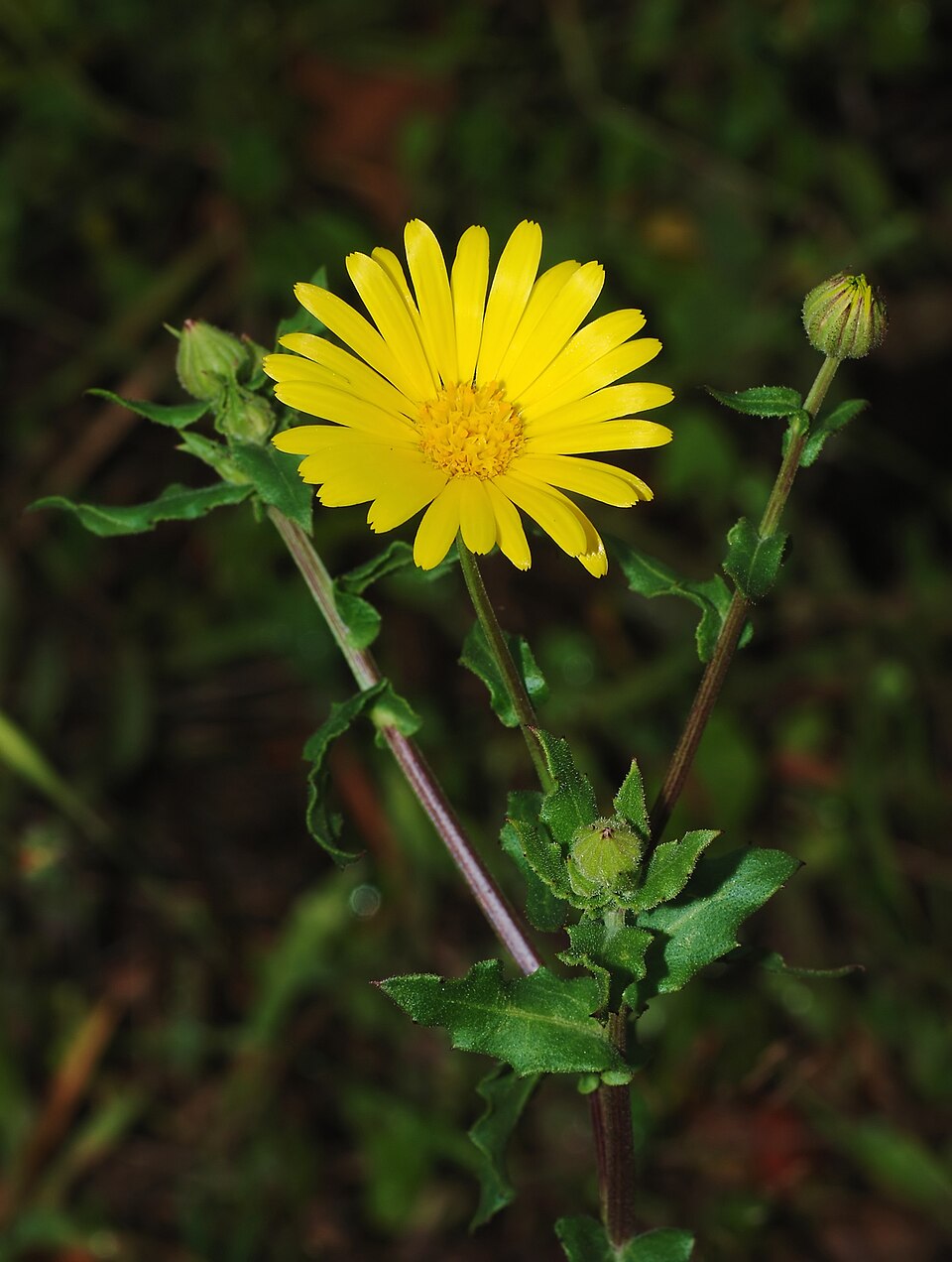
Photo: Wikimedia Commons
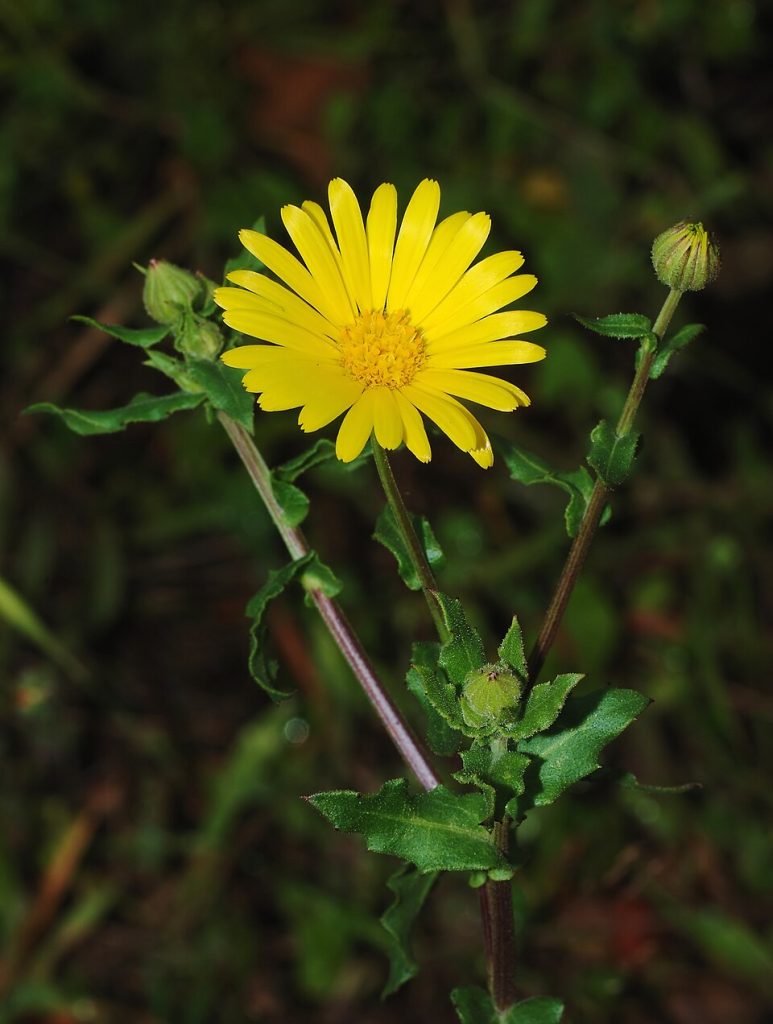
Calendula, the pot marigold, is the cheerful workhorse of the cool-season flower bed. Bright orange and gold blooms appear in weeks from seed, keep coming with deadheading, and the petals are edible and useful in salves and teas. Few flowers give so much for so little.
Flowers earn their keep in ways beyond beauty: they feed pollinators, shelter beneficial insects, and many cut beautifully for the house. This one is a proven performer in American gardens, chosen because it actually thrives across a wide range of climates without coddling. Follow the steps below - planting, feeding, deadheading, and seasonal care - and it will reward you with months of bloom.
Sow calendula seeds a quarter inch deep where they will bloom - they germinate fast in cool soil and dislike transplanting. Thin or space plants eight to twelve inches apart in full sun with average, well-drained soil. It prefers cool weather and sulks in heat, so in warm regions it performs best as a cool-season flower.
At a Glance
When it comes to how to grow calendula, getting the details right makes all the difference.

Many homeowners find that how to grow calendula is easier than they expected once they know the basics.
- Plant: Calendula (Calendula officinalis)
- Type: Flower
- Sun: Full sun
- Soil: Average, well-drained soil
- Water: Moderate
- Spacing: 10 inches
- Planting depth: Plant about a quarter inch deep
- Time to maturity: 45 to 60 days
- USDA zones: 2–11
Getting Started: Picking the Right Variety
Many homeowners find that how to grow calendula is easier than they expected once they know the basics.
The key to how to grow calendula is choosing the right approach for your space and budget.
Flower varieties are mostly about color, size, and bloom time - pick what makes you happy, but read the fine print. Check whether the variety behaves as an annual, biennial, or perennial in your zone, since that decides whether you replant yearly. Taller types may need staking or a spot at the back of the border; compact types suit containers and edging. If disease troubles this plant in your area, resistant varieties are worth seeking out - they look better with far less work.
Botanically this is Calendula officinalis, and how you start it shapes the whole season. Start seeds indoors about six weeks before your last spring frost. Set transplants out right around your last spring frost. Buy healthy, stocky starts - leggy, root-bound plants never fully recover. The Missouri Botanical Garden plant profiles are excellent for checking mature size and culture. You can confirm the native range and growing conditions in the USDA PLANTS Database.
When and How to Plant
The key to how to grow calendula is choosing the right approach for your space and budget.
With a little planning, how to grow calendula can fit even a busy schedule.
Timing is the skill that separates good results from disappointing ones, and it all hangs on your frost dates, not the calendar on the wall. Start seeds indoors about six weeks before your last spring frost. Set transplants out right around your last spring frost. Sow directly about four weeks before your last spring frost - this one goes in while the soil is still cool. For a fall crop, sow about six weeks before your first fall frost.
Plant about a quarter inch deep. Space plants about 10 inches apart. From sowing to bloom takes roughly 45 to 60 days. Firm the soil gently around seeds or roots and water everything in well - that first watering settles soil against the roots and starts growth off right.
To pin down the right week for your zip code, check your USDA zone planting dates on our planting calendar. It lists indoor sowing, transplanting, and direct sowing windows for hundreds of plants by zone, so you can plan the whole season in one sitting.
Starting Seeds Indoors
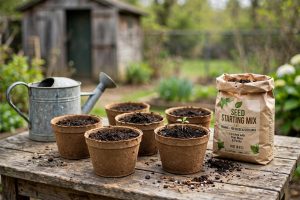
Count back about six weeks from your expected last spring frost and sow in cell packs or small pots filled with damp seed-starting mix. Cover lightly (or leave uncovered if the seed needs light), keep the mix moist but not soggy, and give warmth for germination followed by the strongest light you have - a sunny window is rarely enough, and leggy seedlings are the classic indoor failure. Harden plants off for a week before they move outside: a few hours of outdoor shade at first, building to full days.
Sowing Directly Outdoors
Sow directly about four weeks before your last spring frost - this one goes in while the soil is still cool. Rake the bed smooth, sow at the depth noted above, and keep the seedbed evenly moist until seedlings are up - a light mulch of straw or a floating row cover holds moisture and foils birds. Thin seedlings to their final spacing on time; crowded seedlings compete, stretch, and never quite recover.
Planting for a Fall Crop
Count back about six weeks from your first fall frost and sow then. Fall crops often outperform spring ones - cooler weather, fewer pests, and sweeter flavor. Keep the seedbed watered through late-summer heat, and be ready with row cover if an early cold snap threatens young plants. For pest and disease identification, Clemson's Home and Garden Information Center is one of the best free resources available. Clemson Cooperative Extension has solid fact sheets on planting and care.
Soil and Sun
With a little planning, how to grow calendula can fit even a busy schedule.
Before you start, it helps to understand how how to grow calendula works in real homes.
Calendula wants full sun. Aim for at least six hours of direct sun a day - more is better for flavor, bloom, and disease resistance.
For soil, give it average, well-drained soil. Work compost into the planting area to give flowers a good start, but avoid overdoing nitrogen-rich fertilizers, which grow leaves at the expense of blooms. A 2- to 3-inch layer of mulch after planting keeps roots cool, holds moisture, and cuts weeding - just keep mulch a few inches back from stems to prevent rot.
Zone-wise, it is at home in USDA zones 2 through 11. If you are at the warm edge of that range, afternoon shade and deep mulch help; at the cold edge, a sheltered microclimate near a south-facing wall can make the difference. Gardenia.net offers clear, gardener-written growing guides for this plant.
Watering and Feeding
Before you start, it helps to understand how how to grow calendula works in real homes.
A good plan for how to grow calendula saves time, money, and frustration.
Plan your watering around this: moderate. Water deeply when the top couple of inches of soil dry out, and mulch to keep that moisture where the roots can use it.
Feed flowers lightly: too much nitrogen gives you a jungle of leaves and few blooms. A single application of balanced fertilizer or compost in spring is enough for most, with a mid-season boost only for heavy, long-blooming types. Deadheading plus consistent water does more for flower production than any fertilizer. The University of Minnesota Extension publishes detailed, research-based growing guides for home gardeners.
Care Through the Season
A good plan for how to grow calendula saves time, money, and frustration.
For most people, how to grow calendula comes down to a few smart choices.
Water regularly but avoid soaking the foliage; calendula tolerates some drought once established. Deadhead spent blooms relentlessly - this single habit keeps flowers coming for months instead of weeks. It needs no fertilizer in decent soil. Watch for powdery mildew in humid weather and aphids clustering on the buds; both are worse on stressed, crowded plants.
A few grower tips specific to calendula: Deadhead spent blooms to keep flowers coming all season. Plants tolerate light frost and often self-sow for next year. Consistent deadheading and a mid-season haircut keep most flowers blooming far longer than neglect will.
Deadheading - snipping off spent blooms - is the single highest-return chore in the flower garden; it keeps plants blooming instead of setting seed. Stake tall growers before they flop, not after. Cut the whole plant back by a third in midsummer if it gets leggy, and leave seed heads standing in fall for birds and winter interest unless you want to limit self-sowing. The Old Farmer's Almanac offers practical, beginner-friendly growing advice for this crop.
Harvest
For most people, how to grow calendula comes down to a few smart choices.
If you are new to how to grow calendula, start with the simplest option and build from there.
Pick flowers in the morning just after they fully open, when the sticky resin - the source of their herbal value - is strongest. Pull the petals for salads, teas, and salves; the whole flower head dries well for winter use. Pro tip: let a few late blooms go to seed - calendula self-sows so reliably you will have free plants every year without replanting.
Cut flowers in the cool of the morning when blooms are just opening, and plunge stems immediately into deep water. Most cut flowers last a week with fresh water every couple of days and a recut of the stems. Leave the last blooms of the season to set seed - for self-sowers, that is next year's free plants. Cross-check your frost dates against the Almanac's planting calendar before you sow.
A Season With Calendula
If you are new to how to grow calendula, start with the simplest option and build from there.
When it comes to how to grow calendula, getting the details right makes all the difference.
Spring is planting time: set out transplants after frost, sow hardy annuals early, and mulch new beds before weeds wake up. Summer belongs to deadheading - a weekly round with the snips keeps the show going for months - plus watering through dry spells and staking anything that leans. In fall, plant spring-blooming perennials, leave seed heads for the birds, and let self-sowers drop their seed. Winter is for dreaming over catalogs and ordering seed early. A flower garden managed by the season looks after itself far more than most beginners expect.
Troubleshooting
When it comes to how to grow calendula, getting the details right makes all the difference.
Many homeowners find that how to grow calendula is easier than they expected once they know the basics.
Grown as a hardy annual it flowers everywhere, but it stalls, stops blooming, and mildews in sustained tropical heat. In practical terms, match the plant to your climate before you buy - fighting a plant's nature is a losing game, while choosing one suited to your zone makes everything else easy.
Why did it stop blooming? Usually spent flowers left to set seed (deadhead!), too much shade, or excess nitrogen. Why is the foliage white and dusty? Powdery mildew - improve air flow, water at the base, and choose resistant varieties next time. Why did it flop over? Too much shade, too much fertilizer, or a variety too tall for the spot - stake it now, move or divide it later.
Every garden has a learning curve, and this plant is a forgiving teacher. Start small, follow the steps above, and adjust based on what you see - your own patch will teach you the rest faster than any guide. The Lady Bird Johnson Wildflower Center database is the go-to reference for native plant culture. UF/IFAS Gardening Solutions covers growing basics that apply well beyond Florida.
Keep Exploring
Many homeowners find that how to grow calendula is easier than they expected once they know the basics.
The key to how to grow calendula is choosing the right approach for your space and budget.
If you enjoyed this guide, keep going with our guide to growing veronica, our guide to growing dahlia, our guide to growing gladiolus - and check your USDA zone planting dates on our planting calendar to plan what goes in next.
References
The key to how to grow calendula is choosing the right approach for your space and budget.
Clemson University Cooperative Extension. (n.d.). Home & garden information center. https://hgic.clemson.edu/
Gardenia.net. (n.d.). Growing calendula in home gardens. https://www.gardenia.net/
University of Minnesota Extension. (n.d.). Growing calendula in home gardens. https://extension.umn.edu/
Old Farmer's Almanac. (n.d.). Gardening guides. https://www.almanac.com/
Was this guide helpful?

About My Garden US
The My Garden US editorial team writes practical, in-depth home and garden guides for American homeowners — tested advice, no fluff.