
Photo: Wikimedia Commons
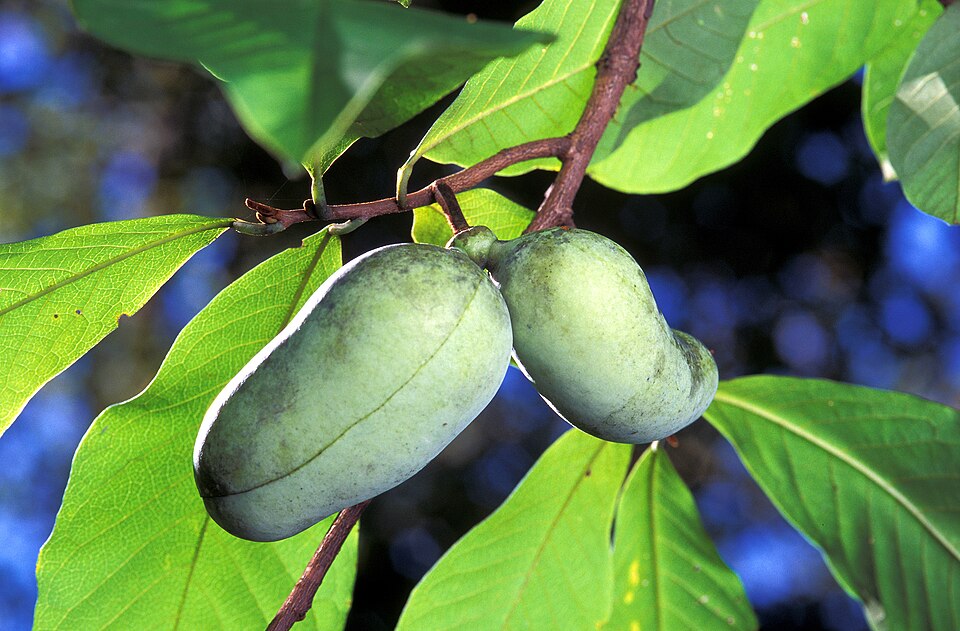
Pawpaw is North America’s forgotten native fruit — custardy, mango-banana flavored, and impossible to buy in stores because it bruises in days. The only way to taste it is to grow it. Two trees, a little patience, and you will eat the fruit commerce cannot sell.
Planting fruit is an investment in future harvests: a little patience up front buys years of berries or fruit that taste nothing like the shipped-in versions. This crop is well suited to home gardens because it is relatively low-maintenance once established. Work through the sections below — site, planting, yearly care, and picking — and you will know exactly what to expect in each season of the plant’s life.
Plant two genetically different trees for cross-pollination; a lone pawpaw rarely fruits. Buy grafted varieties as small container trees, since the taproot resents disturbance. Set in rich, moist soil, spacing 15 to 20 feet. Shade seedlings for the first season or two, then give full sun. Mulch and water in well.
At a Glance
- Plant: Pawpaw (Asimina triloba)
- Type: Fruit
- Sun: Full sun to part shade
- Soil: Rich, moist, well-drained soil
- Water: Moderate
- Spacing: 120 inches
- Planting depth: Set at nursery depth
- Time to maturity: 2nd–3rd season
- USDA zones: 5–9
Getting Started: Picking the Right Variety
The variety you plant decides your harvest for a decade, so spend real thought here. Prioritize varieties known to perform in your climate zone over novelties bred for somewhere else. If space is tight, look for compact or self-fertile types that fruit alone. Buy from a nursery that sells plants suited to your region — bare-root stock from a reputable grower establishes faster than a tired potted plant that has sat on a shelf all season.
Botanically this is Asimina triloba, and how you start it shapes the whole season. Move transplants into the garden about one week after your last spring frost. Buy healthy, stocky starts — leggy, root-bound plants never fully recover. The USDA National Agricultural Library holds deep reference material on this plant’s cultivation and history.
When and How to Plant
Get the timing right and half the battle is won. Everything below is tied to your last spring frost and first fall frost, so it works whether you garden in the North or the South. Move transplants into the garden about one week after your last spring frost.
Give each plant room: space about 10 feet apart. Think in years, not weeks: the first real crop usually arrives in the second or third season after planting. Firm the soil gently around seeds or roots and water everything in well — that first watering settles soil against the roots and starts growth off right.
To pin down the right week for your zip code, check your USDA zone planting dates on our planting calendar. It lists indoor sowing, transplanting, and direct sowing windows for hundreds of plants by zone, so you can plan the whole season in one sitting. The University of Minnesota Extension publishes detailed, research-based growing guides for home gardeners. You can confirm the native range and growing conditions in the USDA PLANTS Database.
Soil and Sun
Pawpaw wants full sun to part shade. Give it the sunniest spot you can, though it tolerates some afternoon shade — in hot regions that shade is a blessing.
For soil, give it rich, moist, well-drained soil. Take site preparation seriously, because you only get one chance. Clear perennial weeds before planting — they are ten times harder to remove around an established bush. Dig the hole twice as wide as the root spread but no deeper than the roots need. After planting, mulch deeply and water well; that first season of care decides how fast the plant takes off.
Zone-wise, it is at home in USDA zones 5 through 9. If you are at the warm edge of that range, afternoon shade and deep mulch help; at the cold edge, a sheltered microclimate near a south-facing wall can make the difference. Clemson Cooperative Extension has solid fact sheets on planting and care. The Missouri Botanical Garden plant profiles are excellent for checking mature size and culture.
Watering and Feeding
Plan your watering around this: moderate. Water deeply when the top couple of inches of soil dry out, and mulch to keep that moisture where the roots can use it.
Feed fruit with a light hand. A spring application of compost or balanced fertilizer is plenty; more grows wood instead of fruit. The critical waterings are the first season after planting and during dry spells while fruit is sizing up. A permanent mulch ring does quiet work all year — holding moisture, feeding soil life, and keeping the mower away from the trunk. For pest and disease identification, Clemson’s Home and Garden Information Center is one of the best free resources available.
Care Through the Season
Water young trees in dry spells and mulch deeply. Pruning needs are light: shape in winter only. Flowers are pollinated by flies and beetles rather than bees, so fruit set improves with natural habitat nearby. Pests are few; watch for the occasional peduncle borer or tent caterpillars. Growth is slow early, then steady.
A few grower tips specific to pawpaw: Plant two unrelated grafted varieties for cross-pollination. Shade seedlings their first two summers; mature trees want full sun. Fruit rewards the patient, observant gardener — a yearly pruning, steady mulch, and quick action on pests cover nearly everything.
Mark fruit chores on the calendar by season, not by date: dormant pruning in winter, feeding and mulching as growth starts, watering and pest watch through summer, harvest and clean-up in season. Remove fallen fruit promptly — it harbors disease and invites wasps. A little winter pruning each year keeps plants productive and picking easy; neglected plants turn into a tangle that fruits poorly. Gardenia.net offers clear, gardener-written growing guides for this plant.
Harvest
Harvest when fruit yields like a ripe peach and smells fragrant; ripe pawpaws drop, so check daily. Eat fresh within days or freeze the pulp for smoothies and ice cream. Pro tip: pawpaw bruises and ferments within days, which is exactly why stores never carry it. Grow it to taste the fruit commerce cannot sell you.
Harvest fruit in the cool of the day and get it out of the sun fast — heat is the enemy of fresh-picked quality. Taste as you go; ripeness charts are no substitute for your own mouth. Freeze the surplus in recipe-ready amounts, and turn the rest into jam, jelly, juice, or dried fruit. A freezer full of summer fruit is one of gardening’s great rewards. The Old Farmer’s Almanac offers practical, beginner-friendly growing advice for this crop.
A Season With Pawpaw
Fruit follows the quietest, most patient rhythm in the garden. Prune in winter when you can see the structure. Plant, feed, and mulch in spring as growth starts. Water and watch through summer, thin crowded fruit so the rest sizes up, and harvest at full ripeness. In fall, clean up fallen fruit, take hardwood cuttings if you propagate, and let the plants harden off naturally — skip late fertilizing that pushes soft growth. Do these few things each year and the plants do the rest.
Troubleshooting
Needs cold winters to set buds and struggles below zone 5; long taproot makes it fail in shallow or compacted soils. In practical terms, match the plant to your climate before you buy — fighting a plant’s nature is a losing game, while choosing one suited to your zone makes everything else easy.
Why small or sour fruit? Usually too much fruit for the plant to ripen (thin it), too little sun, or picking too early — taste before you judge. Why are birds getting it all? Netting is the only reliable answer; shiny tape and scare devices fail within days. Why dieback in winter? Plant fully hardy varieties for your zone and avoid late-season fertilizing that pushes soft growth.
Do not aim for perfection in the first season. Get the plant in the ground at the right time, keep up with water and weeds, and you will learn more in one summer than from a shelf of books. Cross-check your frost dates against the Almanac’s planting calendar before you sow.
Because the taproot runs deep, never try to move an established pawpaw. Choose the planting spot as if the tree will stand there for fifty years, because it very well may.
Keep Exploring
If you enjoyed this guide, keep going with our guide to growing honeyberry, our guide to growing lingonberry, our guide to growing cranberry — and check your USDA zone planting dates on our planting calendar to plan what goes in next.
References
Gardenia.net. (n.d.). Growing pawpaw in home gardens. https://www.gardenia.net/
Old Farmer’s Almanac. (n.d.). Gardening guides. https://www.almanac.com/
Old Farmer’s Almanac. (n.d.). Planting calendar. https://www.almanac.com/planting-calendar
U.S. Department of Agriculture. (n.d.). National Agricultural Library. https://www.nal.usda.gov/
Was this guide helpful?

About My Garden US
The My Garden US editorial team writes practical, in-depth home and garden guides for American homeowners — tested advice, no fluff.