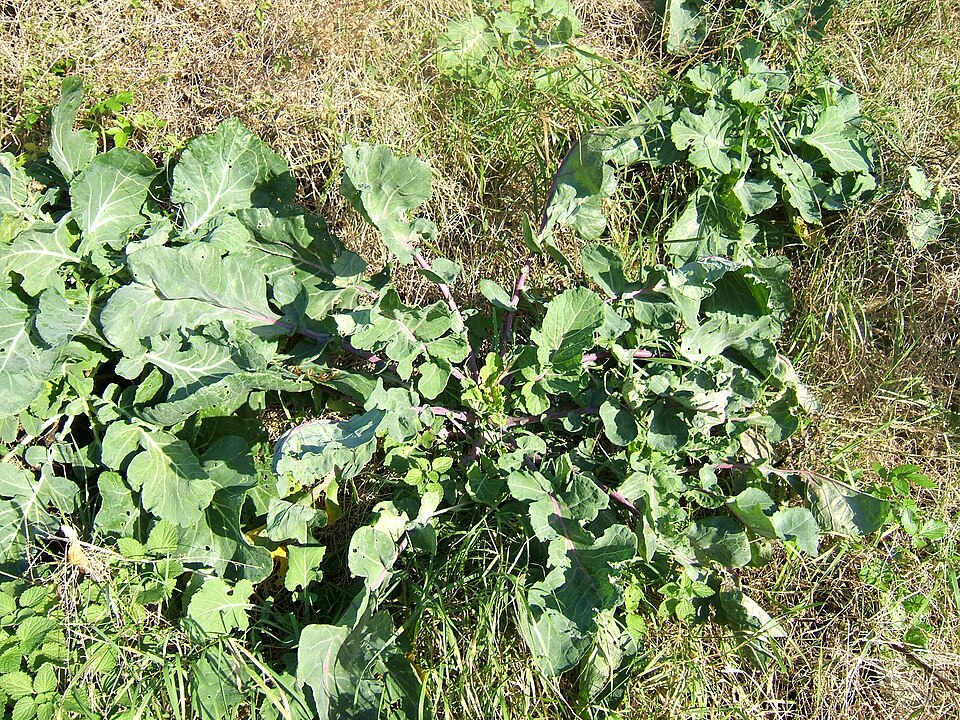

Photo: Wikimedia Commons
Brussels sprouts are the long-season gamble that pays off after frost. These miniature cabbages on a stalk need months of cool weather, but cold turns them sweet and a single stalk can feed a family. Start early, be patient, and harvest into real winter.
Vegetables like this one are the heart of the home garden for a simple reason: nothing you buy tastes like what you pick yourself. Fresh-picked produce carries flavor that shipping and storage strip away, and a modest bed can cut your grocery bill while it improves your cooking. The advice below is written for real American backyards, from small raised beds to full rows, with timing tied to your frost dates rather than a calendar that ignores your climate.
Start indoors or direct sow 1/4 inch deep, transplanting 18 to 24 inches apart in rich, firm soil — like cabbage, they need solid footing. They demand a long, cool growing season and sweeten remarkably after frost, so give them the longest season you can. Stake tall varieties against wind.
At a Glance
- Plant: Brussels Sprouts (Brassica oleracea)
- Type: Vegetable
- Sun: Full sun
- Soil: Fertile, firm soil
- Water: Steady moisture
- Spacing: 24 inches
- Planting depth: Plant about a quarter inch deep
- Time to maturity: 90 to 110 days
- USDA zones: 3–9
Getting Started: Picking the Right Variety
Seed racks and catalogs can overwhelm a beginner with choices, so keep variety selection simple: match the variety to your season length first, flavor second, and novelty last. Look for types described as suited to your region — short-season or heat-tolerant types where summers run long, cold-hardy or bolt-resistant types where spring warms up fast. Disease resistance is worth paying for, since it cuts spraying and disappointment alike. If you are new to this crop, start with a well-known, widely adapted variety rather than chasing the newest introduction; the classics became classics by performing for ordinary gardeners in ordinary soil.
Botanically this is Brassica oleracea, and how you start it shapes the whole season. Start seeds indoors about eight weeks before your last spring frost. Move transplants into the garden about two weeks after your last spring frost. Buy healthy, stocky starts — leggy, root-bound plants never fully recover. Clemson Cooperative Extension has solid fact sheets on planting and care.
When and How to Plant
Timing is the skill that separates good results from disappointing ones, and it all hangs on your frost dates, not the calendar on the wall. Start seeds indoors about eight weeks before your last spring frost. Move transplants into the garden about two weeks after your last spring frost. For a fall crop, sow about fourteen weeks before your first fall frost.
Plant about a quarter inch deep. Space plants about 24 inches apart. From sowing to harvest takes roughly 90 to 110 days. Firm the soil gently around seeds or roots and water everything in well — that first watering settles soil against the roots and starts growth off right.
To pin down the right week for your zip code, check your USDA zone planting dates on our planting calendar. It lists indoor sowing, transplanting, and direct sowing windows for hundreds of plants by zone, so you can plan the whole season in one sitting.
Starting Seeds Indoors
Count back about eight weeks from your expected last spring frost and sow in cell packs or small pots filled with damp seed-starting mix. Cover lightly (or leave uncovered if the seed needs light), keep the mix moist but not soggy, and give warmth for germination followed by the strongest light you have — a sunny window is rarely enough, and leggy seedlings are the classic indoor failure. Harden plants off for a week before they move outside: a few hours of outdoor shade at first, building to full days.
Planting for a Fall Crop
Count back about fourteen weeks from your first fall frost and sow then. Fall crops often outperform spring ones — cooler weather, fewer pests, and sweeter flavor. Keep the seedbed watered through late-summer heat, and be ready with row cover if an early cold snap threatens young plants. The USDA National Agricultural Library holds deep reference material on this plant’s cultivation and history.
Soil and Sun
Brussels Sprouts wants full sun. Aim for at least six hours of direct sun a day — more is better for flavor, bloom, and disease resistance.
For soil, give it fertile, firm soil. Before planting, work several inches of finished compost into the top 6 to 8 inches of soil. Compost feeds the soil life that feeds your plants, improves drainage in clay, and helps sand hold water. Most vegetables prefer a near-neutral pH; if you have never tested your soil, a simple test through your local extension office is cheap and tells you exactly what to add.
Zone-wise, it is at home in USDA zones 3 through 9. If you are at the warm edge of that range, afternoon shade and deep mulch help; at the cold edge, a sheltered microclimate near a south-facing wall can make the difference. The University of Minnesota Extension publishes detailed, research-based growing guides for home gardeners. You can confirm the native range and growing conditions in the USDA PLANTS Database.
Watering and Feeding
Plan your watering around this: steady moisture. Mulch is your best friend here — it holds moisture in the root zone and keeps watering even between rains.
Feed vegetables modestly but steadily. A balanced organic fertilizer or compost side-dressing at planting and again mid-season covers most crops; leafy types appreciate extra nitrogen, while fruiting types do better with less. Water deeply and less often rather than sprinkling daily — deep watering grows deep roots. Mulch with straw or shredded leaves to hold moisture and keep soil off the leaves. The Old Farmer’s Almanac offers practical, beginner-friendly growing advice for this crop. Gardenia.net offers clear, gardener-written growing guides for this plant.
Care Through the Season
Water steadily and mulch; drought makes sprouts loose and bitter. Feed moderately — excess nitrogen grows leaves at the expense of sprouts. Watch for aphids clustering in sprout axils and cabbage worms; row cover or Bt keeps them clean. Remove yellowing lower leaves for airflow.
A few grower tips specific to brussels sprouts: Needs a long season – start early. Sprouts sweeten after frost; top the plant in late summer to size up sprouts. Small habits make the difference with vegetables: mulch early, water deeply, and walk the rows every few days so problems never get a head start.
Stay ahead of weeds while plants are small — a quick hoeing every week or two beats a weekend of wrestling later. Watch the undersides of leaves for the first aphids or caterpillars; catching pests early means a strong spray of water or handpicking solves what later needs spraying. Keep a simple garden notebook: what you planted, when, and how it did. That record is worth more than any book. Cross-check your frost dates against the Almanac’s planting calendar before you sow. The Missouri Botanical Garden plant profiles are excellent for checking mature size and culture.
Harvest
Harvest from the bottom up, twisting off sprouts when they reach 1 inch and feel firm and tight. Late in the season, pinch out the growing tip to redirect energy into sizing up the remaining sprouts. Frost improves flavor, so harvest can continue into real cold. Pro tip: topping the plant is the single best trick for getting full-sized, even sprouts.
Eat the harvest at its peak — vegetables lose sweetness and texture with every hour after picking, so plan meals around the garden, not the other way around. Most vegetables store best unwashed in the refrigerator, and many freeze well after a quick blanch. When a planting is finished, pull it and sow a fall crop or a cover crop; bare soil is a wasted opportunity. For pest and disease identification, Clemson’s Home and Garden Information Center is one of the best free resources available.
A Season With Brussels Sprouts
Spring is the busy season: prepare beds, sow or transplant on schedule, and get supports and row cover in place before you need them. Early attention pays off all year — a week lost to weeds in spring costs a month of growth later. Summer is about maintenance: water deeply, mulch, harvest often, and sow fall crops while the days are still long. Fall brings the second harvest and clean-up — pull finished plants, compost the healthy ones, and sow a cover crop or mulch bare beds. Winter is for planning: note what worked, order seed early for the best selection, and sharpen tools. A garden run on this rhythm gets easier every year.
Troubleshooting
Needs 90+ cool days; will not mature in zones 10-13 heat or ultra-short zone 1-2 seasons. In practical terms, match the plant to your climate before you buy — fighting a plant’s nature is a losing game, while choosing one suited to your zone makes everything else easy.
Why did my plants bolt or go to seed? Heat and long days trigger bolting in cool-season crops — the fix is earlier planting, afternoon shade, or switching to a fall crop. Why are leaves full of holes? Identify the chewer first: caterpillars (handpick or use Bt), flea beetles (row cover), slugs (trap and remove). Why no fruit? Usually heat, poor pollination, or excess nitrogen — check each in turn before changing anything.
Every garden has a learning curve, and this plant is a forgiving teacher. Start small, follow the steps above, and adjust based on what you see — your own patch will teach you the rest faster than any guide. UF/IFAS Gardening Solutions covers growing basics that apply well beyond Florida.
Keep Exploring
If you enjoyed this guide, keep going with our guide to growing luffa, our guide to growing fava beans, our guide to growing scarlet runner beans — and check your USDA zone planting dates on our planting calendar to plan what goes in next.
References
Old Farmer’s Almanac. (n.d.). Planting calendar. https://www.almanac.com/planting-calendar
Clemson University Cooperative Extension. (n.d.). Home & garden information center. https://hgic.clemson.edu/
University of Florida IFAS Extension. (n.d.). Growing brussels sprouts in home gardens. https://gardeningsolutions.ifas.ufl.edu/
Clemson University Cooperative Extension. (n.d.). Growing brussels sprouts in home gardens. https://clemson.edu/extension/
Was this guide helpful?

About My Garden US
The My Garden US editorial team writes practical, in-depth home and garden guides for American homeowners — tested advice, no fluff.