

Photo: Wikimedia Commons
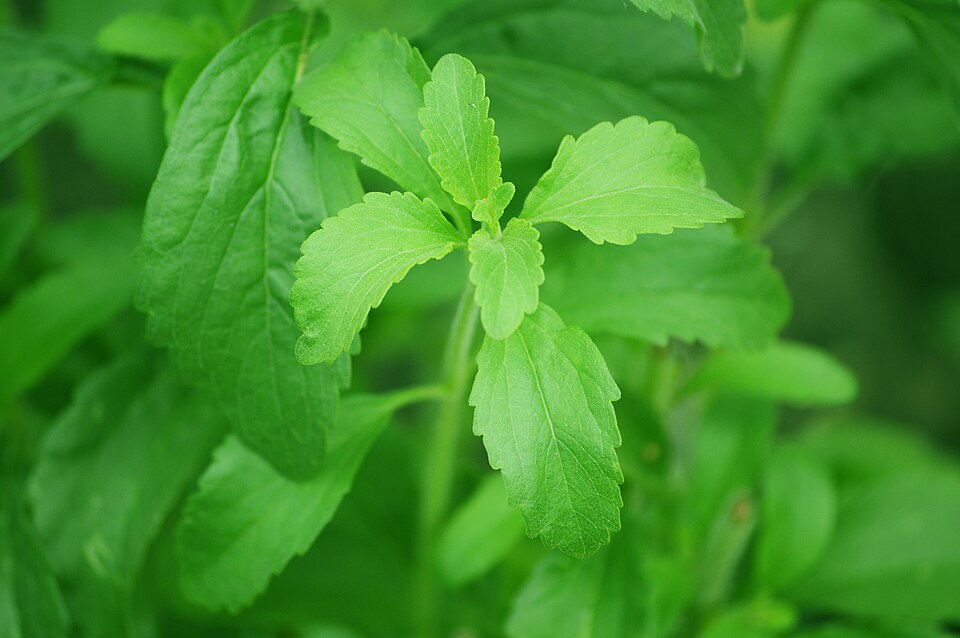
Stevia is the little green plant behind the white packets — its leaves are startlingly sweet, many times sweeter than sugar, with no calories. Growing your own means you get the pure leaf, not the processed extract, and a single plant can sweeten tea all summer. The catch is that stevia is a tender perennial from South America, so most American gardeners grow it as an annual, tucking it into the warmest part of the herb garden. Learning how to grow stevia is mostly about three things: starting with good plants, pinching flower buds the moment they appear, and harvesting leaves at peak sweetness. The USDA PLANTS entry for Stevia rebaudiana confirms its warm-climate nature. This guide covers starting plants, soil and water, pinching, pests, and drying the harvest. For a quick botanical overview, see the USDA PLANTS entry for Stevia rebaudiana.
Choosing a Variety
Stevia seed germinates poorly — often under half the seeds sprout — so most gardeners skip seed entirely and buy nursery transplants, which is the honest recommendation of the Old Farmer’s Almanac guide to stevia as well. If you do start seed, sow it on the surface eight weeks before your last spring frost and keep it at room temperature; light helps germination. A faster route is stem cuttings: snip a four-inch tip, strip the lower leaves, and root it in moist potting mix. Named varieties are few, and sweetness varies plant to plant, so buy from a reputable herb nursery rather than a discount rack. One healthy plant per person is plenty — a little leaf goes a very long way.
When and How to Plant
Timing your sowing
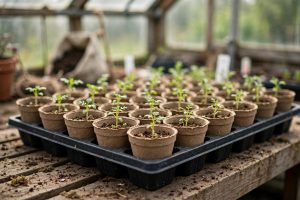
Start stevia indoors about 8 weeks before your last spring frost. Use small pots or cell packs and keep them warm and bright; stevia resent having their roots disturbed, so pot up promptly if seedlings outgrow their cells. Transplant about 2 weeks after your last spring frost, when the soil has truly warmed. Seeds are tiny, so cover them only about 0.125 inch deep and keep the mix evenly moist until they sprout.
Spacing, depth, and days to harvest
From sowing to harvest takes roughly 90 to 120 days, so you can count forward from your planting date and know about when to start watching.
If you start seeds indoors, harden the seedlings off for a week before transplanting — a few hours of outdoor shade the first day, building to full sun. Skipping this step shocks tender plants and sets them back two weeks.
Frost-date charts from a ZIP-code planting calendar help if you are new to reading your zone.
Soil and Sun
Light needs
Sun is non-negotiable: aim for a spot that stays lit from mid-morning on. Shade-grown plants disappoint.
Building good soil
Plant in well-drained, sandy loam. If your ground is heavy clay, plant a little high and mulch well; if it is sand, compost is your best friend.
Hardy in zones 8 through 11, it fits most of the country. If you garden at the cold edge of the range, a sheltered microclimate near a wall buys you a few degrees of safety.
A two-inch mulch of straw or shredded bark does triple duty: it conserves water, suppresses weeds, and moderates soil temperature. Keep mulch a finger’s width from stems to prevent rot.
Soil testing labs listed through the University of Minnesota Extension can confirm your pH before you plant.
Watering and Feeding
Watering routine
Keep the soil evenly moist but not soggy. An inch of water a week, from rain or the hose, is the usual target.
Feeding
Stevia needs little feeding; rich soil and heavy fertilizer actually weaken the sweetness of the leaves. It is not a heavy feeder. Rich soil plus compost is enough — save the strong fertilizer for the hungriest vegetables.
Morning watering is the rule: leaves dry fast in rising sun, denying fungal diseases the damp nights they love. Drip irrigation or a soaker hose waters roots without wetting leaves at all.
Irrigation basics from Clemson’s Home & Garden Information Center apply to all of these schedules.
Care Through the Season
Through the season, pinch the growing tips regularly. Every pinch forces the plant to branch, and bushy plants make far more leaves than lanky ones; more importantly, pinching delays flowering, and leaves are sweetest just before the plant blooms. The moment you see tiny flower buds forming, snip them off. Water when the top inch of soil dries out, but never let the pot or bed sit soggy — stevia hates wet feet and will melt into a brown mush in waterlogged soil. Aphids and whiteflies love the tender leaves; blast them off with a hard spray of water rather than reaching for chemicals you would then eat. In cold climates, pot up a plant before the first frost and keep it in a bright window through winter, or simply grow stevia as an annual and start fresh each spring. UF/IFAS Gardening Solutions has notes for Gulf Coast growers pushing the season.
Companions and Placement
Site stevia near the door with Mint, Lemon Balm, and Basil, and the whole bed becomes a cook’s garden. Herbs ask little: sun, sharp drainage, and frequent snipping, which keeps them compact and flavorful. A few flowering herbs left standing will hum with bees all summer. Contain the runners and deadhead the self-sowers, or the herb bed becomes a mint-and-lemon-balm jungle within two seasons. Mulch with gravel or straw to keep leaves clean, and divide crowded perennials in spring to keep them vigorous.
Harvest
Harvest leaves before the plant flowers, because sweetness peaks just before bloom and fades fast once flowers open. Pick in the morning after the dew dries, when the leaves’ sweet compounds are most concentrated — the Missouri Botanical Garden plant finder notes the same timing for peak quality. Take whole stems, then strip the leaves and dry them quickly in a dehydrator or in airy shade; slow drying in humidity turns them brown and dulls the flavor. Once crackly dry, crumble the leaves into jars and store away from light. A pinch of dried leaf sweetens a mug of tea; ground fine, it works in baking, though it lacks sugar’s bulk and browning, so expect some recipe tinkering.
Troubleshooting
Leggy, pale plants are usually starved for light — move containers to full sun and pinch harder to force branching. Wilting despite wet soil means root rot; let the soil dry out and improve drainage before the plant gives up. Few diseases bother stevia, but whiteflies in particular can explode on indoor winter plants, so check leaf undersides weekly. If your leaves taste grassy rather than sweet, you harvested after flowering began; next time pinch buds earlier and pick sooner. The USDA National Agricultural Library carries extension fact sheets on herb production for deeper reading. And if a plant dies over winter outdoors north of zone 8, that is not failure — it is simply a tender perennial doing what tender perennials do.
Through the Seasons
Spring
In spring, clean up winter damage, divide overgrown clumps, and refresh the mulch. New herb plants go in after frost danger passes. Take stock of what survived winter and replace losses early, while nurseries are fully stocked. A spring shearing of evergreen herbs encourages bushy new growth.
Summer
Through summer, harvest boldly and water as needed. Stevia is at its most potent now; cut in the morning after dew dries for the strongest oils. Keep aggressive spreaders in bounds with the shears, and deadhead before seed sets unless you want volunteers everywhere. A mid-summer cutback rejuvenates tired plants.
Fall and Winter
As cold approaches, harvest what you need, mulch the crowns of tender herbs, and move pots to shelter. Winter is for planning: sketch next year’s herb bed and order seed while selection is best. Stored dry and dark, this season’s harvest flavors the kitchen until spring.
Quick Answers
How long does stevia take to grow?
About 90 to 120 days from sowing to harvest under good conditions — count forward from your planting date to know when to start watching.
What zones can I grow stevia in?
Zones 8 through 11. Inside that range it is hardy and reliable; outside it, grow as an annual or in containers.
How much sun does stevia need?
Full sun. Give it the sunniest spot you have; shade-grown plants disappoint.
How far apart should I plant stevia?
About 18 inches apart. Crowding stunts plants and invites disease, so give each one its room — the harvest is bigger, not smaller, for the space.
Using the Harvest
The simplest use is tea: drop a few fresh or dried leaves into the pot with your regular tea and taste the sweetness bloom. Dried leaves ground fine in a spice grinder make a green powder — a little goes a long way, and it is potent stuff, so start with a pinch. Many gardeners make a simple syrup by steeping leaves in hot water, then use drops of it in lemonade, iced tea, and cocktails. In baking, stevia replaces some of the sugar but not the bulk, so expect denser results until you adjust recipes. Store dried leaves whole in sealed jars; crush only what you need, since whole leaves hold their sweetness longer. Browse more plant profiles at Gardenia.net’s plant profiles for ideas.
Keep Growing
That is how to grow stevia: good drainage, regular pinching, and harvest before bloom. One plant will keep your tea sweet all summer, and a potted plant on a sunny sill stretches the season into winter. For planting dates in your area, check your USDA zone planting dates and pair stevia with fellow sweet and soothing herbs — our guides to how to grow mint, how to grow lemon balm, and how to grow basil sit right alongside it in the herb garden.
References
- Old Farmer’s Almanac. (n.d.). Growing stevia in home gardens. https://www.almanac.com/
- U.S. Department of Agriculture. (n.d.). Stevia (Stevia rebaudiana) plant profile. https://plants.usda.gov/home
- Clemson University Cooperative Extension. (n.d.). Home & Garden Information Center. https://hgic.clemson.edu/
- Gardenia.net. (n.d.). Stevia plant profile. https://www.gardenia.net/
Was this guide helpful?

About My Garden US
The My Garden US editorial team writes practical, in-depth home and garden guides for American homeowners — tested advice, no fluff.
You May Also Like
Wildflower Seed Mixes for California Homes: A Simple Guide
March 13, 2026 0 views
Seed Starting Trays for Texas Homes USA: A Full Guide
March 12, 2026 0 views
How to Grow Snapdragons: Cool-Season Color
October 8, 2026 1 views